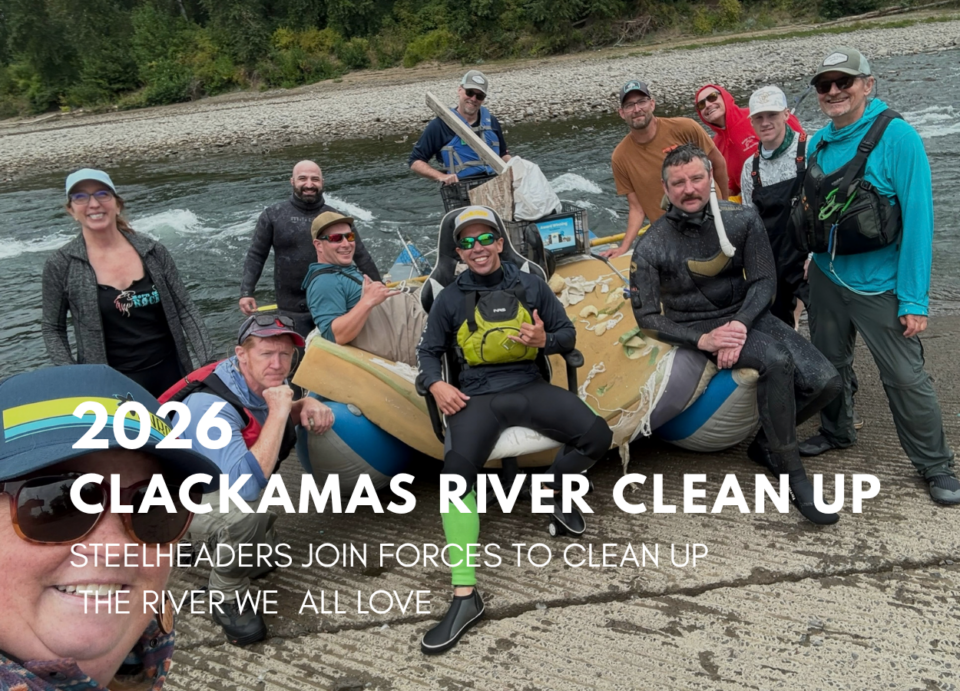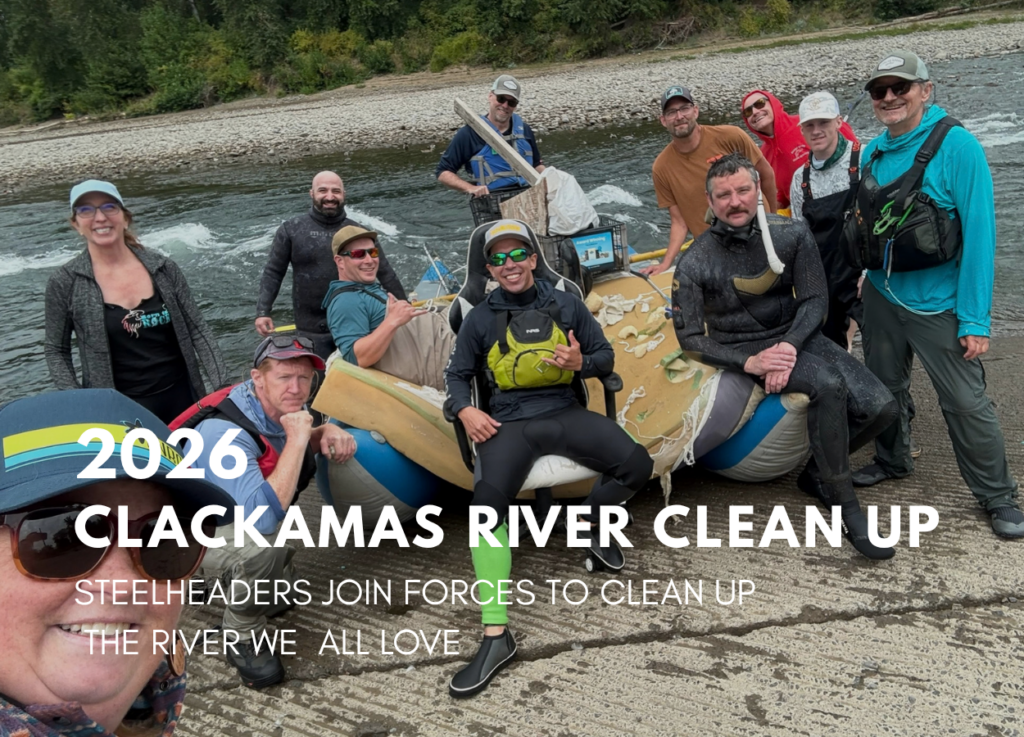
2026 Clackamas River Clean Up
September 28, 2026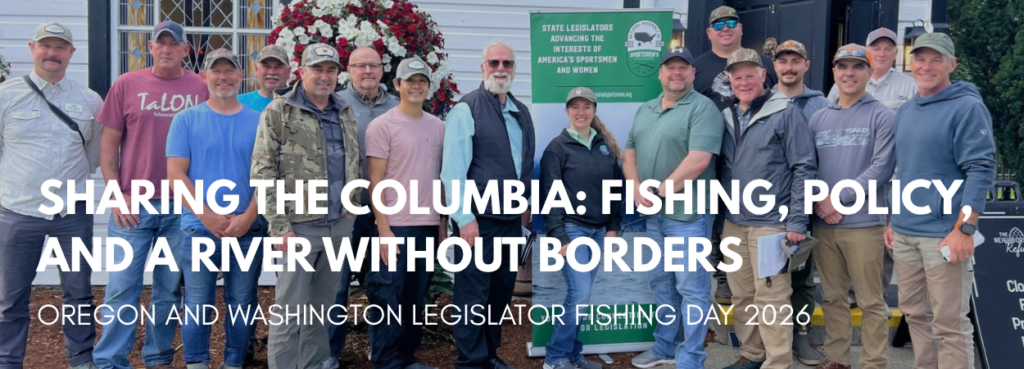
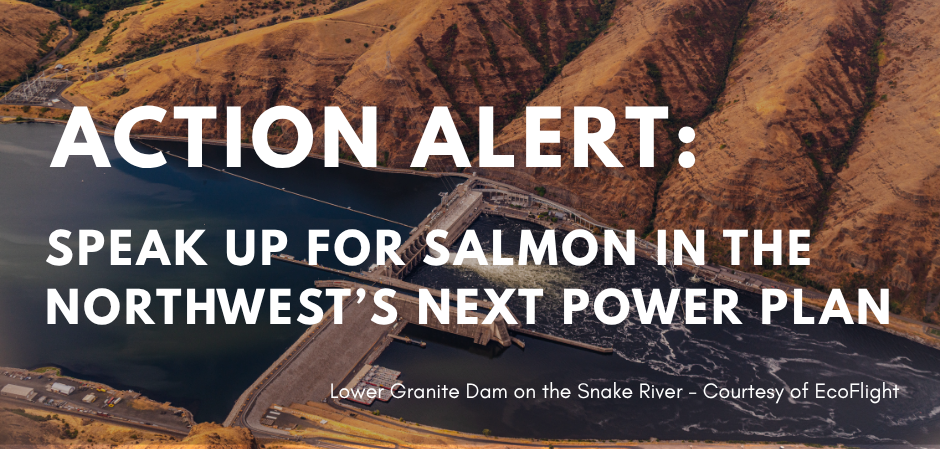
ACTION ALERT:
Speak Up for Salmon in the Northwest's Next Power Plan
The Columbia River doesn’t recognize the Oregon, Washington, Idaho, or Canadian borders—and neither do the salmon, steelhead, or other migratory species who depend on it. Yet decisions affecting Columbia River fisheries are made through a complicated system involving multiple states and wildlife agencies, the Columbia River Compact, federal agencies, legislative bodies, and a host of other management authorities.
That makes communication between policymakers, fishery managers, and recreational anglers uniquely important.
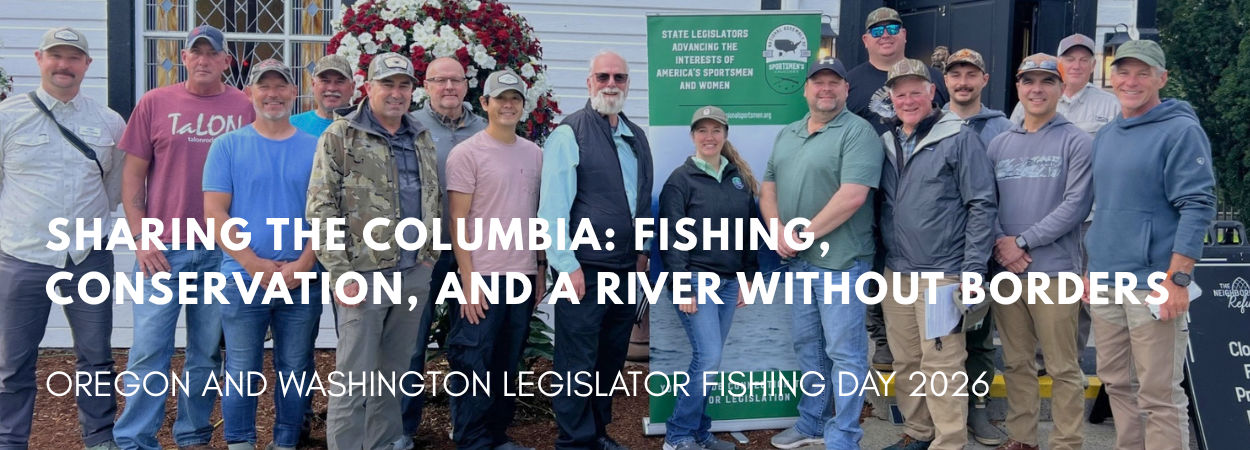
On September 14, members of the Oregon and Washington Legislative Sportsmen’s Caucuses got a firsthand look at what Columbia River fisheries mean to anglers and adjacent communities during the 4th annual Columbia River Fishing Day. The event brought legislators, fish and wildlife agencies, sporting organizations, anglers, and community members together for a day of fishing and discussion about the future of the river. This year we hosted more than 22 legislators and policy staff with 16 boat captains and deck hands volunteering their time and efforts for the day.
The Association of Northwest Steelheaders was proud to help make that connection along with our partners at American Sportfishing Association, Coastal Conservation Association - Washington Chapter, Congressional Sportsmen’s Foundation, National Wild Turkey Federation, Ducks Unlimited, and National Wildlife Federation.

L to R: Senator David Brock Smith, volunteer boat captain John Kaiser, Keely Hopkins Safari Club International
Representative Jeff Helfrich (OR)

Representative Hai Pham(OR)
On The Water Diplomacy
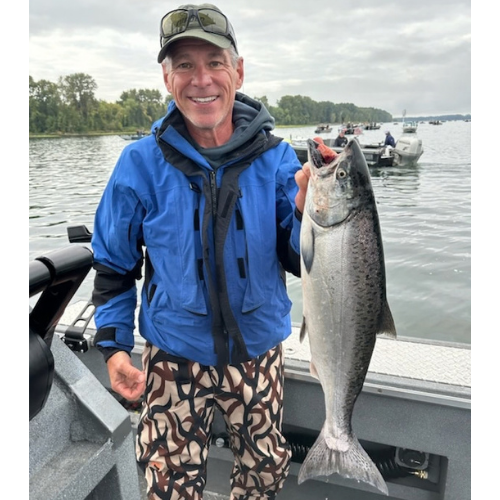
Before sunrise, boats launched from Ridgefield and headed onto the Columbia for a morning of fall salmon fishing. A combination of Association of Northwest Steelheaders members, guides and friends all volunteered to get legislators, staff, and community members aboard their boats, sharing gear, fishing tips, and conversation along the way.
Anglers know experiencing the river firsthand provides a different kind of understanding. Especially when the river is packed with hundreds of boats and the salmon are biting.
For boat captains, policy decisions made by their guests for the day translate directly into management decisions. For example, whether a season remains open, how long families can fish, or whether an opportunity to pursue salmon is available at all. Spending time on the water helps put those decisions into a real-world context for the people making them.
It also provides an opportunity for legislators to hear directly from the people who fish the river—not just about regulations and harvest numbers, but about the recreational, cultural, and economic importance of Columbia River fisheries.
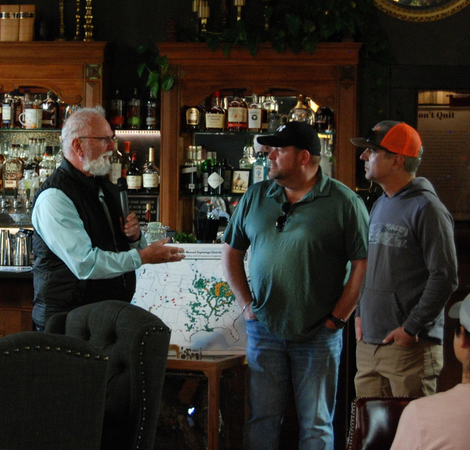
L to R: Washington Caucus co-chair Sen Phil Fortunato and Oregon Sportsmen Caucus co-chairs Senators David Brock Smith and Anthony Broadman
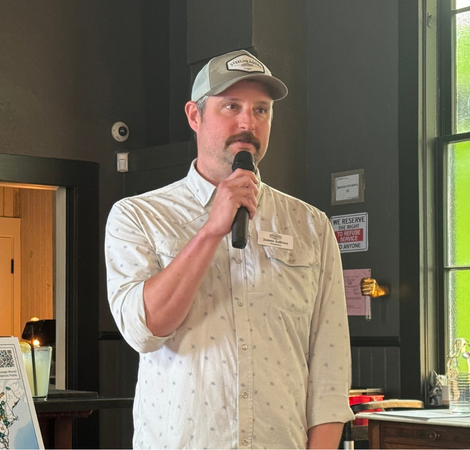
James Adkins NW Steelheaders Executive Director
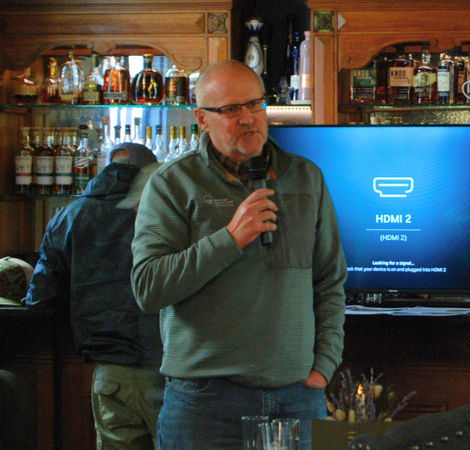
Larry PHillips American Sportfishing Association Pacific Fisheries Policy Director
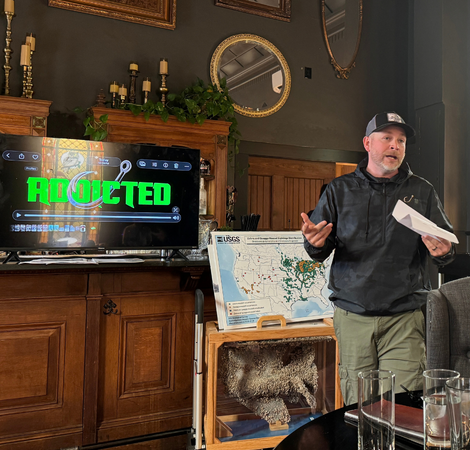
Marlin LaFever Addicted Fishing founder and owner

Tucker Jones ODFW's Ocean Salmon & Columbia River Program Manager
One River, Shared Responsibility
No single agency or state makes any one decision regarding the Columbia.
That is why events like the Columbia River Fishing Day are valuable. They create space for policymakers to hear directly from fishery managers and the people experiencing the results of those management decisions on the water.
A day of fishing can’t cover every challenge, but it can provide something meetings at the capitol cannot: a shared experience that makes the numbers, regulations, and policy decisions more tangible.
The Association of Northwest Steelheaders is proud to work alongside our sporting and conservation partners, and legislators from both states to ensure the voice of recreational anglers is at the table in Olympia and Salem.
The Columbia belongs to no single state or nation. Its future—and the future of the salmon and steelhead that depend on it—will require cooperation across all borders.
And sometimes, the best place to start a conversation is in a boat on the river.
One River, Shared Responsibility
No single agency or state makes any one decision regarding the Columbia.
That is why events like the Columbia River Fishing Day are valuable. They create space for policymakers to hear directly from fishery managers and the people experiencing the results of those management decisions on the water.
A day of fishing can’t cover every challenge, but it can provide something meetings at the capitol cannot: a shared experience that makes the numbers, regulations, and policy decisions more tangible.
The Association of Northwest Steelheaders is proud to work alongside our sporting and conservation partners, and legislators from both states to ensure the voice of recreational anglers is at the table in Olympia and Salem.
The Columbia belongs to no single state or nation. Its future—and the future of the salmon and steelhead that depend on it—will require cooperation across all borders.
And sometimes, the best place to start a conversation is in a boat on the river.
The NW Steelheaders would like to extend a hearty thank you to the Oregon and Washington Legislative Caucuses who are on the front line of our fight to conserve wildlife and promote fishing opportunity in the PNW, and the Caucus Leadership who make this event such a success.
-
David Brock Smith
-
Anthony Broadman
-
Phil Fortunato
-
Jesse Salomon
-
Jim Walsh