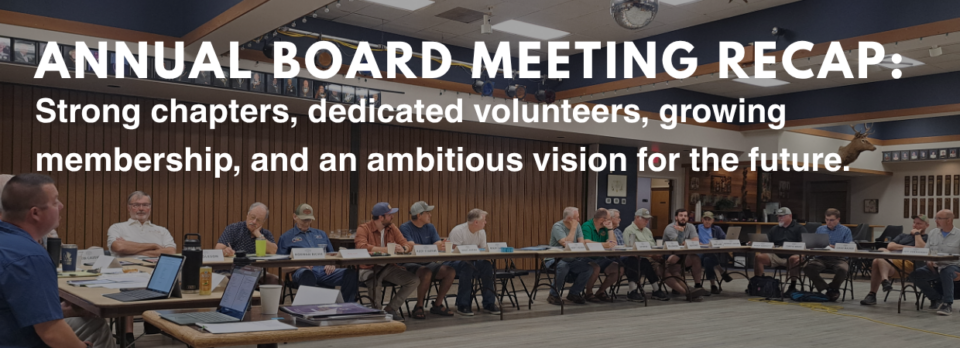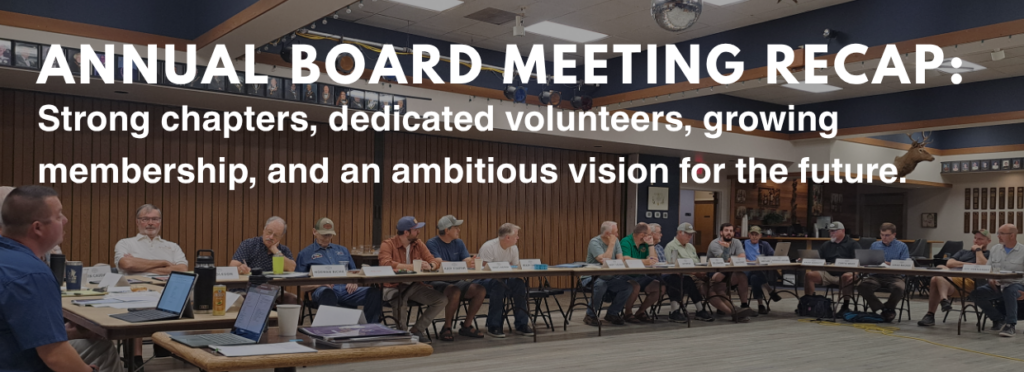
Association of Northwest Steelheaders Annual Board Meeting Recap
August 31, 2026
NW STEELHEADERS JOIN LAWSUIT TO DEFEND THE ENDANGERED SPECIES ACT
September 10, 2026
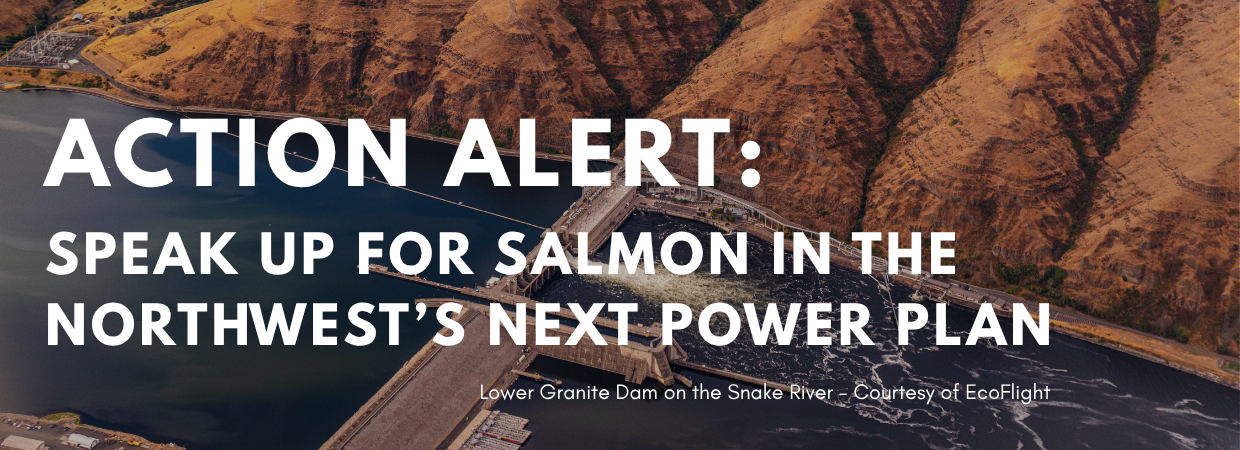
ACTION ALERT:
Speak Up for Salmon in the Northwest's Next Power Plan
The decisions made today will shape the future of Northwest salmon, steelhead, and our rivers.
TAKE ACTION:
Help Shape the Northwest’s Energy Future
The Northwest Power and Conservation Council has released its draft 9th Northwest Power Plan, which will guide how the region meets growing electricity demand and how Bonneville Power Administration and utilities plan for future energy resources. Decisions made today will shape the future of our rivers, salmon, and steelhead for decades to come.
Tell the Council why healthy salmon and steelhead, healthy rivers, reliable energy, and affordable electricity all matter to you. The public comment period is open through October 16—and anglers need to make their voices heard.
You can easily provide comment by cutting and pasting the customizable template below.
Why this matters to anglers
The Northwest Power Act was created in part because of the declining salmon and steelhead runs of the Columbia Basin. It requires the region to balance a reliable and affordable power supply with the protection, mitigation and enhancement of fish and wildlife.
We don't have to choose between reliable electricity and healthy rivers
The draft plan already identifies a portfolio that includes conservation, demand response, renewable energy, storage, and natural gas. It also modeled different hydropower operations to understand their impacts on fish.
Your voice matters, and you don't need to be an energy expert to submit a comment. This is about your values as someone who lives, works, and recreates in the Pacific Northwest.
Make your voice heard
Your voice matters, and you don't need to be an energy expert to submit a comment. This is about your values as someone who lives, works, and recreates in the Pacific Northwest.
Share your experiences as an angler. Talk about the rivers you fish. Explain why recovering wild salmon and steelhead should remain a priority for the Northwest. Now we need the final plan to go further.
MAKE SURE YOU CUSTOMIZE THE MESSAGE FOR MAXIMUM IMPACT BY ADDING THE FOLLOWING:
- Introduce yourself, share any information about your background that you think is relevant. For example, your membership with the Steelheaders, your connection to the region, family history fishing, fishing for food, enjoyment of fishing recreationally.
- Share why you personally care about salmon and steelhead, specifically support for wildlife conservation, and your relationship to recreational fishing.
Comment Template
As a member of the Association of Northwest Steelheaders, a recreational angler and resident of the Pacific Northwest, I urge the Northwest Power and Conservation Council to strengthen the final 9th Power Plan to better support salmon and steelhead recovery while ensuring a reliable and affordable energy system.
NW Steelheaders were founded to advocate for protections and restoration of Steelhead, and we continue to advocate for restoration of all salmonids in the Pacific Northwest.
Healthy rivers and reliable energy are not competing goals. With thoughtful planning and investment, the Northwest can build a modern energy system while restoring abundant salmon and steelhead runs for future generations.
Make salmon and steelhead recovery a central part of regional energy planning
The region should aggressively pursue conservation of all species impacted by the operation of the dams and the incredible impacts the dams have had on a wide variety of habitats. The 9th Power Plan should also heavily consider demand response, renewable energy, storage, and expanded transmission capacity so that future energy needs do not place additional pressure on the Columbia Basin's already struggling salmon and steelhead populations.
The final plan should fully incorporate the Council's 2026 Columbia Basin Fish and Wildlife Program and support meaningful progress toward salmon and steelhead recovery. The Council's own documents recognize that fish and power responsibilities are inseparable.
Plan now for replacing the energy provided by the Lower Snake River dams
The final plan should also provide the technical analysis necessary to incorporate replacement of the energy provided by the Lower Snake River dams into regional energy planning.
We encourage the Council to work with Washington State to model replacement of the roughly 700 average megawatts associated with the four Lower Snake River dams. Planning for replacement power now can help make salmon recovery and a reliable energy system compatible goals.
Prioritize new clean energy, storage, and transmission
The region should take advantage of its growing renewable energy resources and expand the transmission capacity needed to move that power where it is needed. The draft plan identifies 9,000 megawatts of renewable resources and 5,200 megawatts of storage as part of its recommended resource strategy.
Maximize conservation and demand response before putting additional pressure on our rivers
Energy efficiency and demand response can reduce the need for additional generating resources while helping keep the system reliable and affordable. The Northwest Power Act specifically gives conservation priority in regional resource planning.